
Iconic Development: Panattoni's Whirlpool Distribution Center in Frederickson
NAIOP Washington State celebrates 50 years as a chapter this year. Founded in 1976 as the Puget Sound Chapter of the National Association of Industrial Parks, NAIOPWA has since evolved into an association that elevates all sectors of the commercial real estate development industry, from industrial and office properties to residential and retail projects and everything in between. In recognition of the past five decades of commercial real estate development, we are looking back at the iconic projects that have shaped skylines, defined cities, and powered economic growth throughout our region.
Panattoni’s Whirlpool Distribution Center Ignited Frederickson Industrial Frenzy
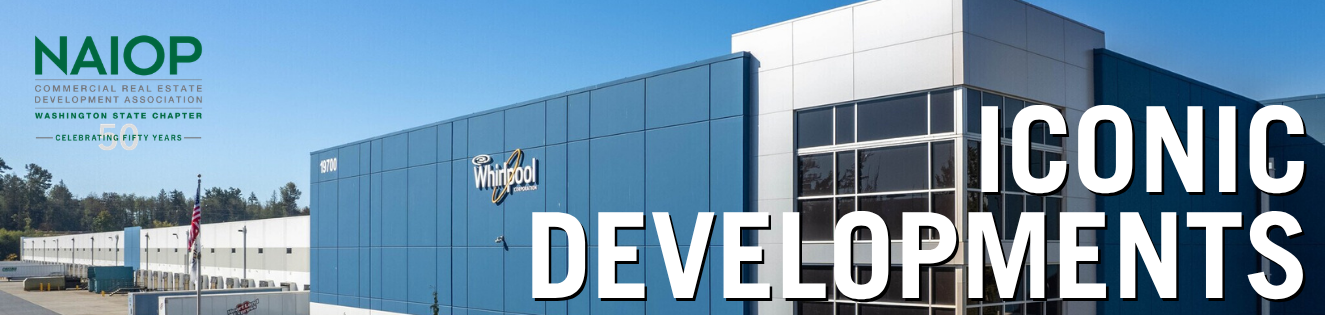
Today, the Frederickson area is practically synonymous with industrial development, with Amazon’s massive $219 million acquisition making headlines earlier this year. The confluence of available land, local labor, and convenient access to transit corridors and nearby ports makes Frederickson prime for warehousing and logistics operations. But this is a relatively recent evolution for the area, and it would not have been possible without Panattoni Development Company’s Seattle office planting a 900,000-square-foot flag in this South Sound industrial hub back in 2007.

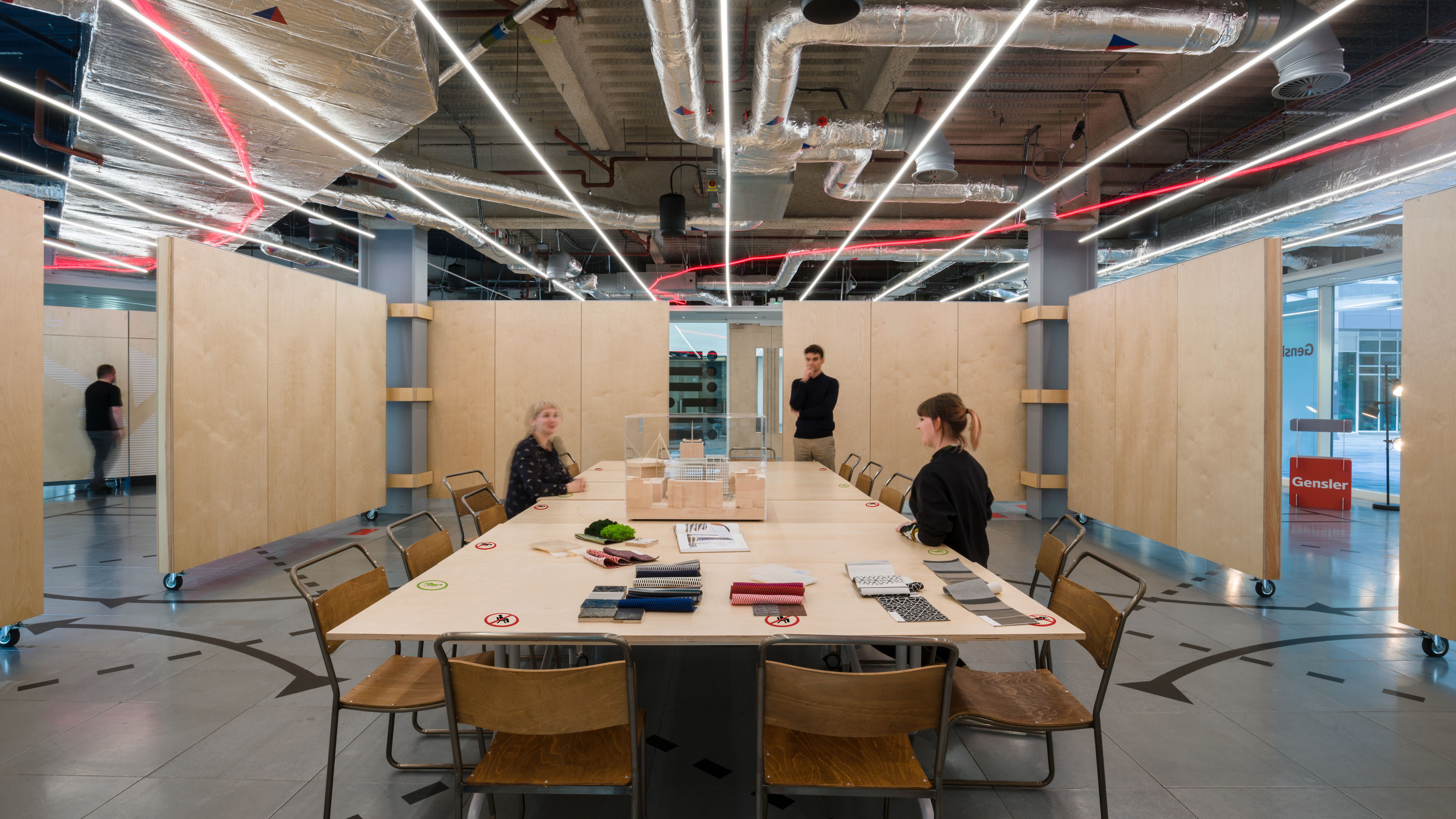 We’ve now reached 2+ months of working from home and have settled—as best as possible—into a new routine that revolves around juggling family, colleagues, and clients, while maintaining our personal health and well-being 24/7. That’s a lot. Some of us may be embracing this new work style while others are still overwhelmed by the daily challenges. But what’s top of mind for us all is what’s looming ahead. What will our new normal look like when our stay-at-home restrictions are lifted and more importantly, what changes can we expect to stick?



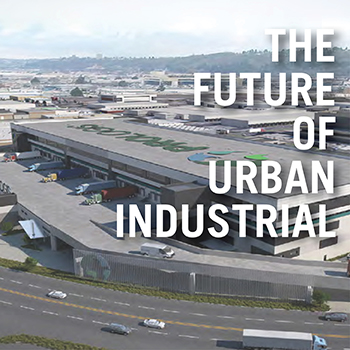 On July 11, NAIOPWA held our monthly breakfast meeting at the Georgetown Ballroom to learn about the future of urban industrial and take a field trip to the nearby Prologis Georgetown Crossroads, the first multi-level distribution center of its type.
 On Wednesday, NAIOP WA State interacted with a panel from CrowdStreet, Inc., their sponsors Scanlan Kemper Bard and SMARTCAP, and Stoel Rives LLP about online real estate investment, which is experiencing exponential growth. The online investment market allows for a diversity in investment profiles, potentially higher gains, and an increase of available analytical data. Molly Moore, CMO from CrowdStreet, moderated the panel where they talked online investment and legal implications and regulations.
 NAIOP’s September 20 breakfast meeting convened in Southcenter near the epicenter of King County’s industrial area. This meeting on